
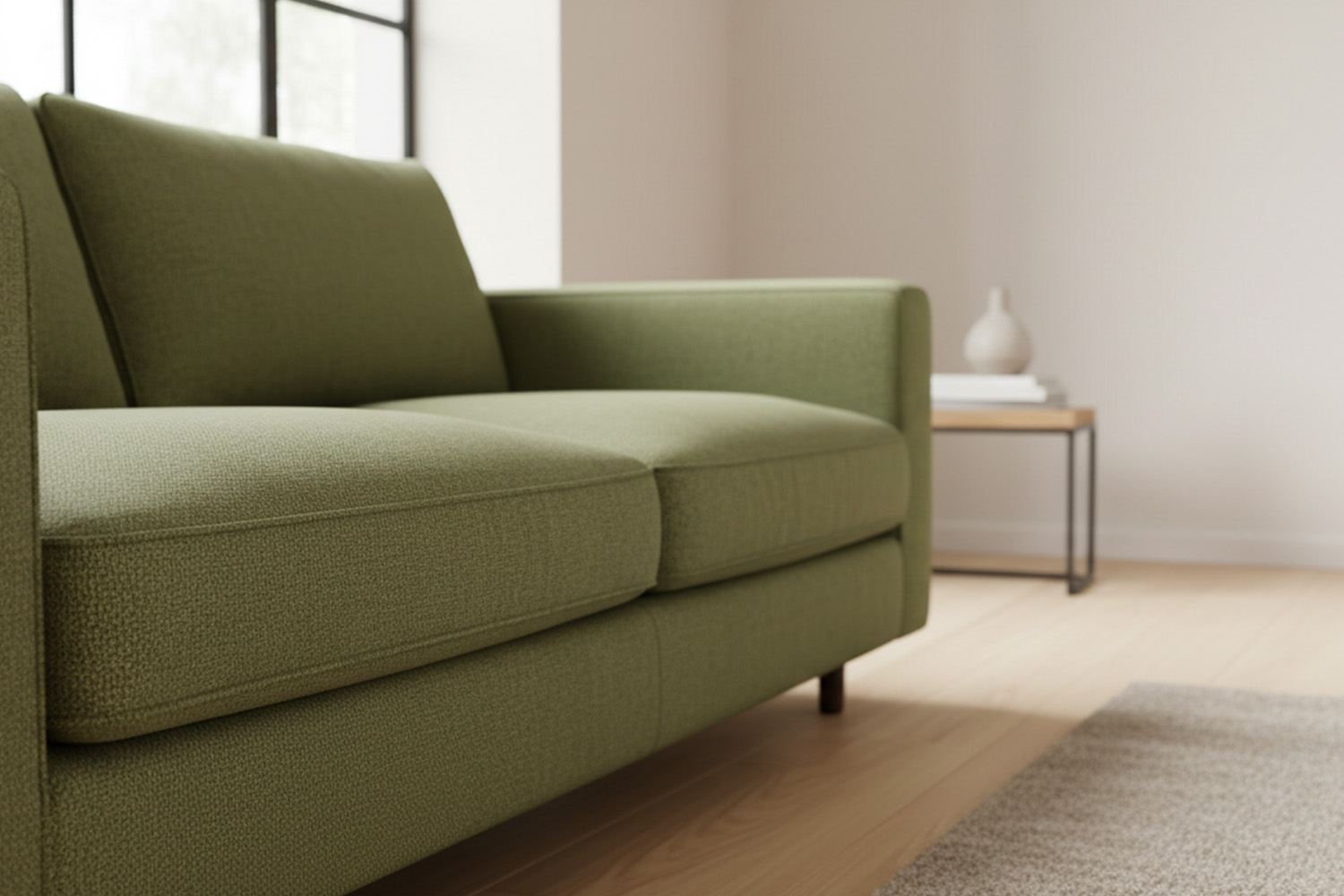
Keeping your upholstery in top shape isn’t just about looks—it saves money, extends lifespan, and improves indoor air quality. In Chicago, harsh winters, seasonal humidity, pets, and kids can all shorten the life of your furniture if not properly maintained. This guide covers 10 expert ways to make your upholstery last longer, complete with charts, tables, cost comparisons, and dos & don’ts for every approach.
Why Proper Upholstery Care Matters
Upholstered furniture is an investment. Without proper care, even high-quality sofas, chairs, and mattresses can lose comfort, appearance, and durability faster than expected.
Lifespan of Different Upholstery Types
| Upholstery Type | Average Lifespan (with proper care) | Notes |
| Fabric sofa | 7–15 years | Cotton and polyester blends last longest |
| Leather sofa | 10–20 years | Requires conditioning every 6–12 months |
| Recliner chairs | 8–12 years | Depends on mechanical parts maintenance |
| Dining chairs | 5–10 years | Regular cleaning after meals essential |
| Mattresses | 7–10 years | Protect with covers to prevent spills & dust |
| Car upholstery | 5–15 years | UV protection recommended |
Proper care not only prolongs lifespan but also preserves appearance, hygiene, and comfort.
Common Mistakes That Destroy Upholstery
- Letting spills sit for hours or days
- Ignoring dust and pet hair buildup
- Placing furniture in direct sunlight
- Using harsh or wrong cleaners
- Skipping professional cleaning for years
Avoiding these mistakes is the first step to keeping furniture looking new longer.
1. Rotate and Fluff Cushions Regularly
Cushions wear unevenly over time. Rotating and fluffing them prevents sagging and maintains support.
DIY Fluffing Techniques
- Remove cushions weekly and flip both horizontally and vertically
- Punch and knead the filling to redistribute fibers
- For down-filled cushions, shake outside to restore loft
Cost / Time Table
| Task | Frequency | Cost Estimate |
| Rotate cushions | Weekly | $0 (DIY) |
| Fluff cushions | Weekly | $0 (DIY) |
| Deep fluff & airing | Monthly | $0 (DIY) |
2. Protect Upholstery From Sunlight and UV Damage
Chicago summers can be harsh. UV rays fade fabric and dry out leather.
Dos & Don’ts
- Do: Use curtains, blinds, or UV-protective window film
- Do: Position furniture away from direct sunlight
- Don’t: Place sofas near south-facing windows without protection
3. Clean Spills Immediately
Immediate action prevents permanent stains and fiber damage.
Safe Cleaning Methods by Fabric Type
| Fabric Type | Immediate Action | Cleaner Recommendation |
| Cotton / Linen | Blot with a clean cloth, mild detergent | American Cleaning Institute-approved fabric cleaner |
| Polyester / Synthetic | Blot and mild water-based cleaner | Eco-friendly upholstery spray |
| Leather | Wipe with a damp cloth, mild soap | Leather conditioner after cleaning |
| Velvet / Suede | Use a soft brush, avoid water | Suede/v elvet cleaning kit |
Tip: Always blot, never rub—rubbing pushes stains deeper.
4. Vacuum Upholstered Furniture Often
Dust, allergens, and pet hair degrade fabric and affect air quality.
Best Vacuum Types
| Surface Type | Recommended Vacuum |
| Fabric sofas | HEPA-filter upright or canister |
| Leather sofas | Soft brush attachment |
| Recliners / Chairs | Crevice tool for seams & folds |
| Mattresses | Handheld or upholstery attachment |
Vacuum Schedule Table
| Furniture Type | Frequency |
| Sofas / Recliners | Weekly |
| Chairs / Dining | Weekly |
| Mattresses | Monthly |
5. Use the Right Upholstery Cleaner
Choosing the correct cleaner prevents discoloration and fiber damage.
- Eco-friendly & hypoallergenic options: Safe for kids and pets
- Avoid bleach & harsh solvents: They deteriorate fabric fibers
- Expert-recommended cleaners from the American Cleaning Institute
6. Schedule Professional Deep Cleaning
Even the best DIY routine misses deep dirt and allergens.
Signs You Need Professionals
- Persistent odors
- Stains that won’t lift
- Allergies triggered by dust/pollen
DIY vs Professional Table
| Cleaning Method | Cost Estimate (Chicago) | Pros | Cons |
| DIY (cleaner + vacuum) | $10–$30 per session | Affordable, immediate | May miss deep dirt |
| Professional service | $100–$250 per sofa | Deep clean, restore fibers | Higher cost, schedule required |
7. Apply Fabric Protectors or Guards
Fabric protectors repel stains and liquids, extending lifespan.
Tips:
- Spray evenly after cleaning
- Reapply every 6–12 months
- For leather, use conditioning creams as a protector
Pet & Child Protection Table
| Challenge | Solution | Notes |
| Pet hair | Fabric guard + vacuum | Prevents hair embedding |
| Claw scratches | Leather protector | Leather-safe products |
| Kids spills | Waterproof cover + spray | Quick blotting essential |
8. Cover Your Furniture
Covers act as the first line of defense against dirt, spills, and the sun.
Pros & Cons Table
| Type of Cover | Pros | Cons |
| Slipcover | Easy to wash, removable | May shift, change appearance |
| Fitted furniture cover | Tight fit, protective | Costlier, needs precise measurement |
| Blanket / Throw | Quick solution | Less coverage, may slip |
9. Handle Pets and Kids With Care
Pets and children are the biggest sources of wear.
Tips:
- Train pets to stay off furniture
- Use washable throws for high-traffic areas
- Avoid eating on sofas to reduce spills
DIY Pet & Child Damage Prevention Chart
| Problem | Prevention | Frequency |
| Pet hair | Vacuum daily/use covers | Daily |
| Scratches | Leather conditioner/guard | Monthly |
| Food spills | Quick blot + cleaner | Immediate |
10. Seasonal and HVAC-Aware Maintenance
Chicago winters bring cold and salt; summers bring humidity. Indoor HVAC can dry out leather.
Seasonal Care Checklist Table
| Season | Action | Frequency |
| Winter | Clean salt, use leather conditioner | Monthly |
| Summer | Check for humidity damage, vacuum regularly | Monthly |
| Year-round | Rotate cushions, deep clean, fabric guard | Quarterly |
FAQs:
Q1: How often should I vacuum my upholstery in Chicago?
A: Weekly for sofas, recliners, and chairs; monthly for mattresses. Increase frequency if you have pets.
Q2: Can pets ruin my sofa fabric?
A: Yes. Pet hair, scratches, and accidents can shorten upholstery’s lifespan. Use fabric guards, covers, and vacuum frequently.
Q3: How long can I expect my sofa to last with proper care?
A: Fabric sofas 7–15 years, leather 10–20 years. Lifespan varies by material and maintenance.
Q4: Are professional cleanings necessary?
A: Yes. They remove deep dirt and allergens that DIY methods cannot reach.
Q5: What is the best way to protect upholstery from sun damage?
A: Use curtains, blinds, UV window film, and avoid placing furniture in direct sunlight.
Conclusion: Make Your Upholstery Last a Lifetime
With the right care, even older furniture can look and feel new for years. Rotate cushions, clean spills immediately, vacuum often, use the right cleaners, protect with guards, and schedule professional cleaning when needed. Following these steps ensures your investment lasts longer, improves air quality, and prevents costly replacements—especially in Chicago’s unique climate.