
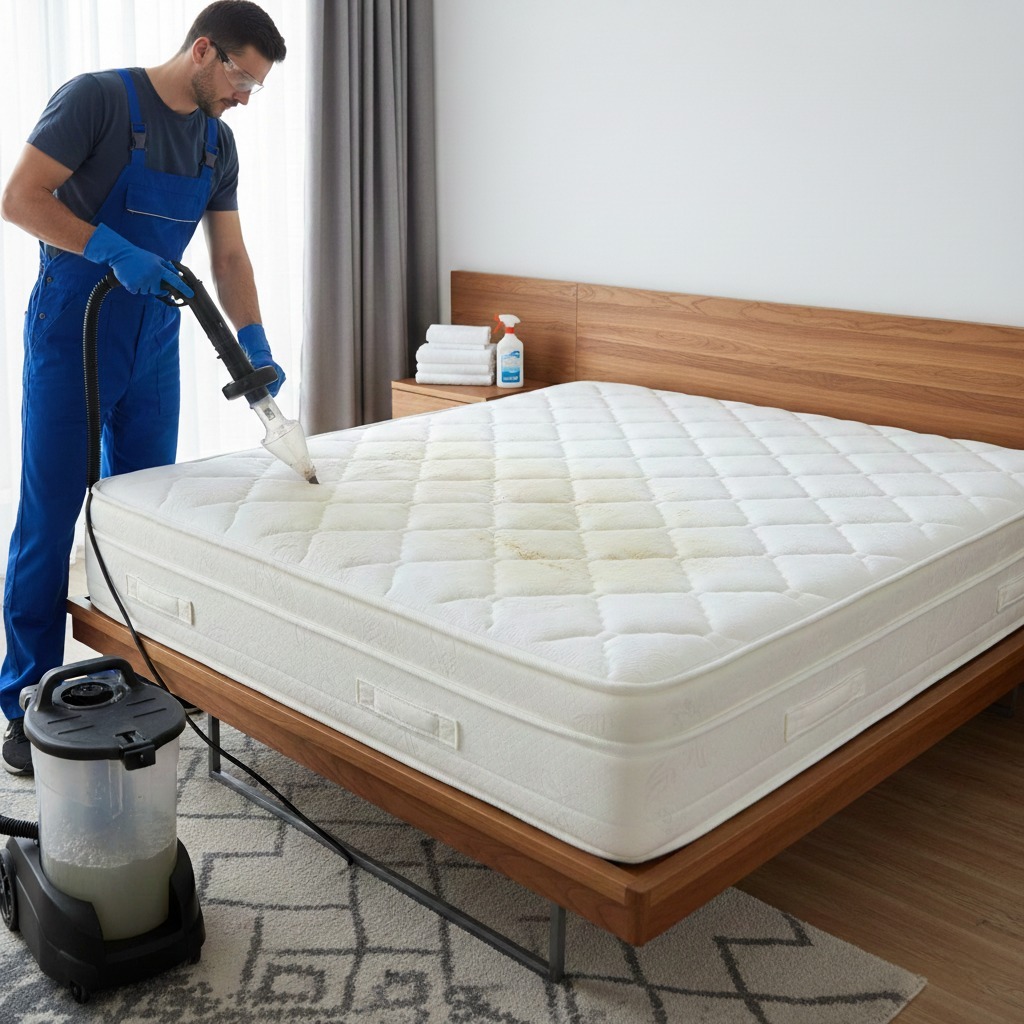
Accidents happen whether it’s kids, pets, or occasional spills. Knowing how to get urine smell and stains out of your mattress is essential for keeping your home clean, healthy, and odor-free. In Chicago, where humidity can slow drying, improper treatment can lead to lingering odors, mold, or bacteria growth. In this guide, we will cover step-by-step solutions for mattresses, upholstery, couches, and carpets, preventive measures, and tips for dealing with Chicago’s unique climate.
Why Removing Urine Stains and Odors Is Critical
Urine stains on furniture aren’t just unsightly they can create long-term problems:
- Health Concerns: Urine contains bacteria, ammonia, and sometimes pathogens. If left untreated, these can trigger allergies, respiratory issues, and skin irritations.
- Unpleasant Odors: Even small accidents can produce strong odors that worsen over time, especially in humid areas like Chicago.
- Furniture Damage: Moisture can seep into mattresses, couches, or carpets, weakening fibers, foam, and structural support.
By cleaning promptly, you maintain a healthy living environment, protect your furniture, and ensure your home smells fresh.
Understanding Different Mattress Types
Not all mattresses react the same to urine. Knowing your mattress type helps avoid damage and ensures effective cleaning:
- Memory Foam Mattresses: Highly absorbent. Blot carefully; avoid excess liquid.
- Innerspring Mattresses: Less absorbent; clean with mild solutions.
- Hybrid Mattresses: Contain foam and springs; use gentle cleaning to protect layers.
- Latex Mattresses: Naturally resistant to bacteria; still require quick treatment to prevent odors.
- Adjustable Mattresses: Take care not to wet electronic components; focus on surface treatment.
Using the right cleaning approach for your mattress type is crucial for preserving its integrity.
Step-by-Step Guide to Remove Urine Smell and Stains from a Mattress
1. Act Immediately: Blotting the Urine
Timing is everything. The longer urine sits, the harder it is to remove:
- Blot the affected area with paper towels or a clean cloth.
- Apply firm pressure to absorb as much liquid as possible.
- Avoid rubbing, which can spread the stain deeper into the fibers.
- For large spills, lift the mattress slightly and place towels underneath to absorb seepage.
2. DIY Cleaning Solutions
Home remedies are effective if done correctly:
Vinegar and Water Solution:
- Mix 1 cup white vinegar with 2 cups warm water.
- Spray lightly over the stain and blot gently.
- Vinegar neutralizes ammonia in urine, reducing odor.
Baking Soda:
- Sprinkle baking soda over the damp area after vinegar treatment.
- Let sit for 15–30 minutes to absorb moisture and odors.
- Vacuum thoroughly once dry.
Hydrogen Peroxide and Dish Soap:
- Combine 8 oz hydrogen peroxide, 3 tablespoons baking soda, and a few drops of dish soap.
- Apply to the stain gently and blot with a clean cloth.
- This method works well for stubborn urine stains on mattresses, couches, and carpets.
Tip: Always test a small, hidden area first to ensure the solution doesn’t discolor the fabric.
3. Enzyme Cleaners for Deep Odor Removal
Enzyme cleaners are highly effective for protein-based stains like urine:
- Apply generously over the affected area.
- Let it sit for 10–15 minutes or as per instructions.
- Blot or rinse lightly and allow the mattress to air dry.
Enzyme cleaners break down the urine proteins completely, preventing odors from returning. They are safe for mattresses, upholstery, couches, and carpets.
4. Drying Your Mattress Properly
Chicago’s high humidity can make drying difficult. Improper drying can lead to mold growth:
- Open windows and use fans for airflow.
- Avoid direct heat; excessive heat can damage foam or fabric.
- For thick mattresses, consider using a wet/dry vacuum to remove excess moisture.
- Sunlight can help if the mattress is waterproofed, but do not overexpose to prevent discoloration.
Pro Tip: Lifting the mattress slightly off the bed frame allows air to circulate underneath, speeding up drying.
Removing Urine Stains and Odors from Upholstery, Couches, and Carpets
Urine accidents rarely stay confined to the mattress. Here’s how to clean other furniture effectively:
Upholstery Cleaning Tips
- Blot urine immediately to prevent absorption.
- Apply a vinegar-water solution or enzyme cleaner and let it sit for 10–15 minutes.
- Use a clean cloth to blot excess liquid.
- Vacuum after drying to lift fibers and restore texture.
Couch Urine Stain Solutions
- Remove cushions if possible and treat separately.
- Spray a mild upholstery cleaner or enzyme solution on affected areas.
- Avoid saturating the fabric to protect foam padding.
- Allow to air dry completely before putting cushions back.
Carpet Urine Smell Removal
- Blot excess urine immediately.
- Sprinkle baking soda over the area to neutralize odors.
- Spray with vinegar-water solution and let it fizz for 10–20 minutes.
- Blot again and vacuum once dry.
- For persistent odors, repeat treatment or use a professional-grade enzyme cleaner.
Tips for Preventing Future Urine Stains
Prevention is easier than cleaning repeated accidents. Here are some actionable tips:
- Waterproof Mattress Protectors: Shield your mattress from spills and accidents.
- Pet Training: Encourage pets to use designated areas.
- Quick Clean-Up Kit: Keep paper towels, enzyme cleaner, and baking soda accessible.
- Regular Cleaning: Vacuum and refresh mattresses, couches, and carpets periodically.
- Humidity Control: Use dehumidifiers or air conditioning in Chicago homes to reduce dampness.
DIY vs Professional Cleaning: When to Call Experts
Sometimes, DIY methods may not suffice:
- Deep or old urine stains that have soaked into multiple layers.
- Delicate mattresses or upholstery where over-wetting can cause damage.
- Persistent odors even after multiple cleaning attempts.
- Mold concerns due to slow drying in humid climates.
Professional cleaners have the tools, expertise, and enzyme-based solutions to fully eliminate stains and odors while protecting your furniture investment.
FAQs About Mattress Urine Stains and Odors
Can urine stains be completely removed?
Yes, especially when treated promptly with proper cleaning solutions and drying methods.
Will vinegar or peroxide damage my mattress?
When used diluted and properly blotted, vinegar and peroxide are safe for most mattress types. Always test a small area first.
How long does drying take in Chicago?
Depending on mattress thickness and indoor humidity, 4–12 hours is typical. Using fans or a dehumidifier speeds up the process.
Can enzyme cleaners be used on all furniture?
Yes, they are safe for mattresses, upholstery, couches, and carpets. Always follow the instructions and test a hidden area first.
What if the urine is old and deeply set?
For old, stubborn stains, professional cleaning is often the best solution to remove deep odors and prevent bacteria growth.
Final Takeaway
Dealing with urine stains on mattresses, couches, upholstery, and carpets doesn’t have to be stressful. By acting quickly, using DIY solutions or enzyme cleaners, and properly drying your furniture, you can eliminate odors and maintain a hygienic home. Chicago residents must pay extra attention to humidity, ventilation, and quick response to prevent mold and lingering smells.
Preventive measures like waterproof mattress covers, quick clean-up kits, and regular maintenance save time and ensure your furniture stays fresh. Remember, when DIY methods aren’t enough, professional cleaning services are available to tackle tough stains and odors safely.
A clean mattress and furniture not only improve health and hygiene but also create a more comfortable and inviting home. Follow these steps, and your Chicago home will stay fresh, odor-free, and protected from future accidents.