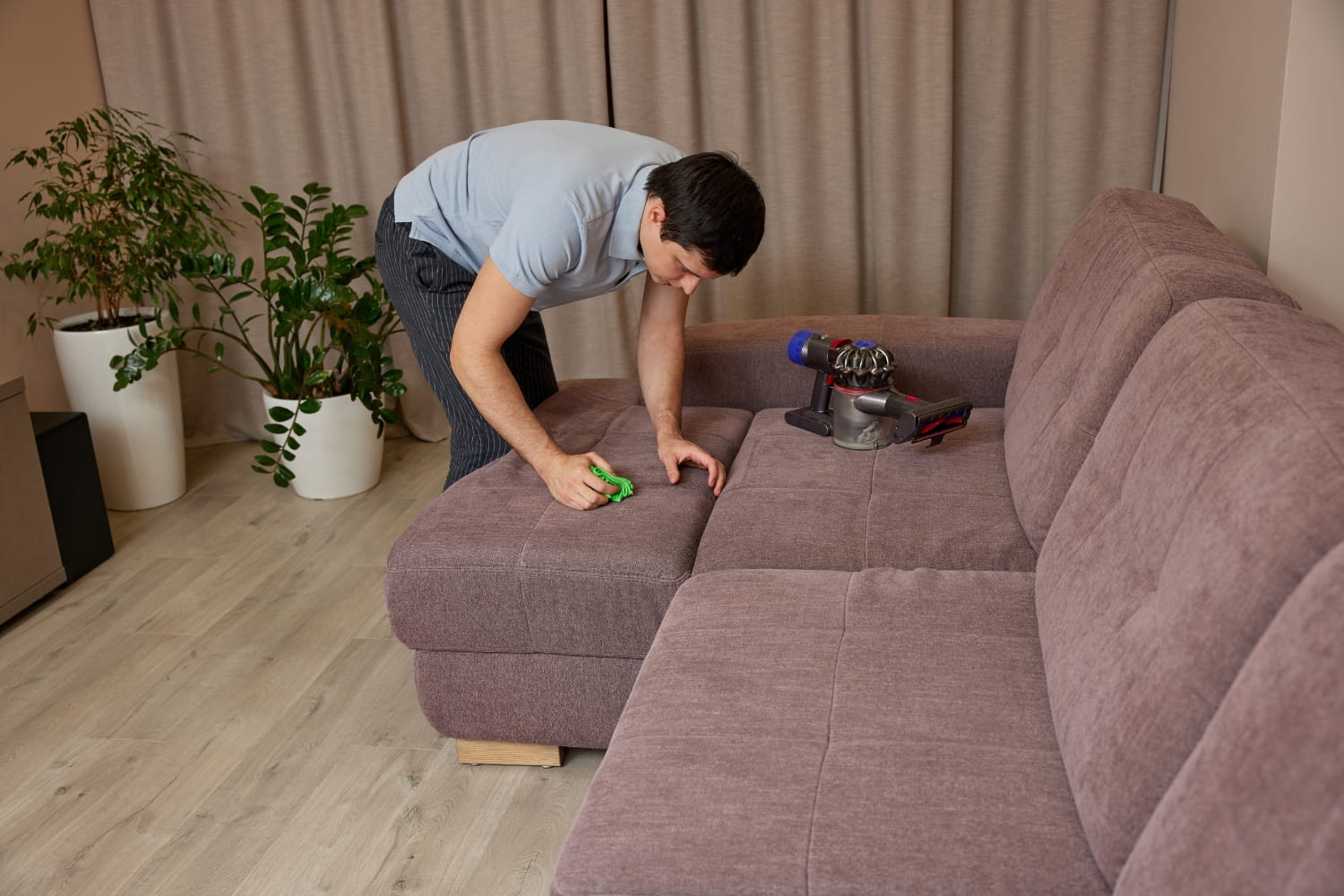
Upholstered furniture is a big part of daily comfort. Sofas, chairs, sectionals, and cushions are used every day, yet many people forget they also need regular cleaning. Over time, dust, body oils, food spills, pet hair, and allergens build up deep inside the fabric. This is why upholstery cleaning is important, especially in a busy city like Chicago.
Chicago’s lifestyle and weather play a major role in how quickly upholstery gets dirty. Long winters keep people indoors, heating systems dry out fabrics, and summer humidity traps moisture and odors. Upholstery cleaning is not only about appearance it helps protect fabric, improve indoor air quality, and extend the life of furniture.
This guide explains what upholstery cleaning is, why it matters, common problems, cleaning methods, fabric care, and practical solutions, all written for real Chicago homes and businesses.
What Is Upholstery Cleaning?
Upholstery cleaning is the process of deep cleaning fabric-covered furniture to remove dirt, stains, odors, bacteria, and allergens trapped inside the fibers and padding. Regular vacuuming only removes surface dust, while professional upholstery cleaning targets deep contamination.
Upholstered items include:
- Sofas and sectionals
- Dining and accent chairs
- Recliners and armchairs
- Ottomans and benches
- Office and waiting room seating
Because upholstery absorbs daily use, it requires fabric-specific care to prevent damage.
Why Upholstery Gets Dirty Faster in Chicago
Chicago homes and commercial spaces face conditions that speed up upholstery wear and dirt buildup.
Common Causes of Upholstery Problems
- Dust and pollution from busy streets
- Moisture from winter clothing and snow
- Indoor heating dries out fabrics
- Summer humidity is causing odor buildup
- Pets shedding hair and dander
- Food and drink spills
Without proper cleaning, these factors lead to discoloration, odors, and fabric breakdown.
Solution: Removing Everyday Dirt From Upholstery
Problem
Dust, skin oils, and air particles slowly settle into upholstery fibers, making furniture look dull and feel greasy.
Practical Solution
- Vacuum upholstery weekly using a soft brush attachment
- Focus on seams, arms, and cushions
- Rotate cushions to reduce uneven wear
- Schedule deep upholstery cleaning before dirt becomes permanent
Regular maintenance prevents long-term damage.
Upholstery Fabric Types and Why They Matter
Different fabrics react differently to water, heat, and cleaning products. Using the wrong method can cause shrinking, fading, or texture damage.
Common Upholstery Fabrics
- Cotton
- Linen
- Synthetic blends
- Microfiber
- Velvet and suede-style fabrics
- Performance fabrics
- Leather upholstery
Fabric identification is a key step before any deep cleaning.
Upholstery Cleaning Methods Explained
There is no single method that works for all upholstery. Cleaning methods are chosen based on fabric type and soil level.
Steam Upholstery Cleaning (Hot Water Extraction)
- Uses controlled hot water and cleaning solutions
- Removes deep dirt, bacteria, and allergens
- Best for durable fabrics and heavy buildup
Upholstery Dry Cleaning (Low-Moisture)
- Uses minimal moisture
- Faster drying times
- Ideal for delicate or water-sensitive fabrics
Upholstery Cleaning Foam
- Lifts dirt without soaking fabric
- Useful for spot treatments
- Works well on textured or delicate upholstery
Leather Upholstery Cleaning
- Gentle cleaners and conditioners
- Prevents cracking and dryness
- Maintains softness and color
Solution: Handling Spills on Upholstered Furniture
Problem
Spills spread quickly and soak into fabric, causing stains and odors.
Practical Solution
- Blot spills immediately with a clean cloth
- Never rub the stain
- Use cold water unless the fabric label says otherwise
- Test any cleaner on a hidden area
Fast action reduces stain setting and fabric damage.
Eco-Friendly Upholstery Cleaning Options
Indoor air quality is a growing concern in Chicago homes, apartments, and offices. Eco-friendly upholstery cleaning uses non-toxic, biodegradable products.
Benefits of Green Upholstery Cleaning
- Safe for children and pets
- No harsh chemical residue
- Better for allergy-sensitive individuals
- Supports cleaner indoor air
Green cleaning is especially useful in condos, schools, and medical environments.
Solution: Removing Odors From Upholstery
Problem
Odors from pets, food, smoke, and humidity stay trapped in upholstery padding.
Practical Solution
- Vacuum thoroughly to remove odor particles
- Light baking soda use for short-term odor control
- Improve room ventilation
- Deep upholstery cleaning when odors return quickly
Persistent odors usually mean bacteria remain below the surface.
Pet Hair, Dander, and Stains in Upholstery
Pet owners in Chicago often struggle with hair buildup and urine odors.
Why Pet Stains Are Difficult
- Urine soaks into the padding
- Odor crystals form below the surface
- Heat can lock odors into fabric
Solution-Based Approach
- Use rubber brushes or lint rollers regularly
- Wash removable covers when allowed
- Avoid steam on untreated urine stains
- Deep cleaning breaks down odor-causing bacteria
This helps reduce allergens and long-term smells.
Common Upholstery Stains and Their Causes
Daily life creates stains that slowly weaken upholstery fibers.
Common Upholstery Stains
- Food and grease
- Coffee and tea
- Red wine
- Ink and dye transfer
- Makeup and body oils
- Mud and outdoor debris
Each stain requires a different treatment based on the fabric and the age of the stain.
Residential Upholstery Cleaning for Chicago Homes
In homes, upholstery absorbs daily use from family life, guests, and pets.
Benefits for Homes
- Restores fabric appearance
- Removes dust mites and allergens
- Reduces odors
- Extends furniture life
Cleaning is especially helpful during seasonal changes when indoor air quality shifts.
Commercial Upholstery Cleaning for Chicago Businesses
Commercial furniture faces heavier use than residential upholstery.
Common Commercial Settings
- Offices and conference rooms
- Waiting rooms
- Restaurants and cafés
- Hotels and rentals
- Salons and retail stores
Routine upholstery cleaning helps maintain a professional appearance and reduces replacement costs.
Solution: Managing Upholstery During Chicago’s Humid Summers
Problem
High humidity slows drying and increases odor or mold risk.
Practical Solution
- Use fans or dehumidifiers after cleaning
- Avoid closing rooms immediately
- Clean earlier in the day
- Choose low-moisture methods when possible
Proper drying prevents moisture damage.
How Often Should Upholstery Be Cleaned?
Cleaning frequency depends on usage, pets, and environment.
General Guidelines
- Homes without pets: every 12–18 months
- Homes with pets or children: every 6–12 months
- Offices and commercial spaces: every 3–6 months
- Allergy-sensitive spaces: more frequent cleaning
Preventive cleaning reduces long-term damage.
Upholstery Cleaning vs DIY Methods
DIY upholstery cleaning can help with light maintenance, but it has limits.
Risks of DIY Cleaning
- Over-wetting fabric
- Soap residue buildup
- Color bleeding
- Shrinkage
- Mold growth
Professional methods use controlled moisture and fabric-safe solutions.
Solution: Improving Indoor Air Quality Through Upholstery Care
Problem
Dirty upholstery releases allergens into the air when used.
Practical Solution
- Combine regular vacuuming with deep cleaning
- Clean upholstery during seasonal changes
- Maintain carpets and rugs alongside furniture
- Use eco-friendly cleaning products
This helps create a healthier indoor environment.
Signs Your Upholstery Needs Cleaning
You may need deep upholstery cleaning if:
- Fabric looks dull or discolored
- Odors remain after vacuuming
- Allergy symptoms increase indoors
- Pet hair and stains are visible
- Furniture feels sticky or oily
Ignoring these signs leads to faster fabric breakdown.
Long-Term Benefits of Proper Upholstery Cleaning
Upholstered furniture is an investment. Replacing it is expensive, especially in furnished homes and businesses.
Proper upholstery cleaning:
- Protects fabric fibers
- Maintains color and texture
- Reduces replacement costs
- Improves comfort and cleanliness
Frequently Asked Questions (FAQs)
What is upholstery cleaning?
Upholstery cleaning is the process of deep cleaning fabric-covered furniture to remove dirt, stains, odors, bacteria, and allergens trapped inside the fibers and padding. It goes beyond regular vacuuming and focuses on deep fabric care.
Why is upholstery cleaning important in Chicago?
Chicago’s long winters, indoor heating, summer humidity, and urban dust cause upholstery to trap dirt and moisture faster. Without regular cleaning, furniture can develop odors, stains, and fabric damage over time.
How often should upholstery be cleaned?
For most Chicago homes, upholstery should be cleaned every 12–18 months. Homes with pets or children may need cleaning every 6–12 months. Commercial spaces often require cleaning every 3–6 months.
Can dirty upholstery affect indoor air quality?
Yes. Upholstery traps dust, pet dander, pollen, and allergens. When furniture is used, these particles can be released into the air, affecting indoor air quality and triggering allergies.
What are the most common upholstery cleaning methods?
The most common methods include steam cleaning, low-moisture dry cleaning, upholstery foam cleaning, and gentle hand cleaning for leather. The best method depends on fabric type and soil level.
Is steam upholstery cleaning safe for all fabrics?
No. Steam cleaning works well for durable fabrics but may damage delicate or water-sensitive materials. Fabric type should always be identified before choosing a cleaning method.
What is upholstery dry cleaning?
Upholstery dry cleaning uses very little moisture and specialized solutions to clean fabric safely. It is ideal for delicate fabrics, office furniture, and situations where fast drying is needed.
Can upholstery cleaning remove pet odors and stains?
Yes. Professional upholstery cleaning breaks down odor-causing bacteria and urine crystals trapped deep in the padding. Surface cleaning alone usually cannot remove pet odors completely.
Why do upholstery odors return after cleaning?
Odors return when bacteria or moisture remain deep inside the fabric or padding. This usually means the upholstery needs deeper cleaning or better drying conditions.
Is eco-friendly upholstery cleaning effective?
Yes. Eco-friendly upholstery cleaning uses non-toxic solutions that safely remove dirt and stains while protecting indoor air quality. It is especially useful for homes with children, pets, or allergies.
Can I clean upholstery myself at home?
Light maintenance like vacuuming and spot blotting is helpful, but DIY cleaning can cause over-wetting, residue buildup, and fabric damage if done incorrectly. Deep cleaning requires controlled methods.
What are the most common upholstery stains?
Common stains include food grease, coffee, tea, red wine, ink, makeup, body oils, mud, and pet accidents. Each stain type requires a different treatment approach.
How long does upholstery take to dry after cleaning?
Drying time depends on the cleaning method, fabric type, and indoor humidity. Low-moisture methods may dry in a few hours, while steam cleaning can take longer.
Can upholstery cleaning help furniture last longer?
Yes. Regular upholstery cleaning prevents fiber breakdown, reduces wear, and keeps fabric strong, helping furniture last years longer than neglected upholstery.
When should upholstery be cleaned immediately?
Upholstery should be cleaned immediately if there are strong odors, visible stains, allergy flare-ups, pet accidents, or sticky or greasy fabric areas.
Is upholstery cleaning different for homes and businesses?
Yes. Commercial upholstery experiences heavier use and usually needs more frequent cleaning, while residential upholstery focuses more on comfort, allergens, and long-term fabric care.
Final Thoughts on Upholstery Cleaning in Chicago
Upholstery cleaning is more than a cosmetic task. It plays a key role in fabric care, indoor air quality, and long-term furniture protection. Chicago’s climate and indoor living habits make regular upholstery maintenance especially important.
Understanding cleaning methods, fabric types, and solution-based care helps homeowners and businesses avoid common mistakes. With proper maintenance, upholstery can remain clean, comfortable, and durable for many years.