Introduction
Dust mites are microscopic pests that live in mattresses, pillows, and bedding. While they are invisible to the naked eye and do not bite like bed bugs, dust mites can trigger allergies, asthma, and skin irritation. For homeowners in Chicago, where indoor humidity fluctuates, and winters can be dry, dust mites can thrive in warm, damp environments, making mattress hygiene a top priority.
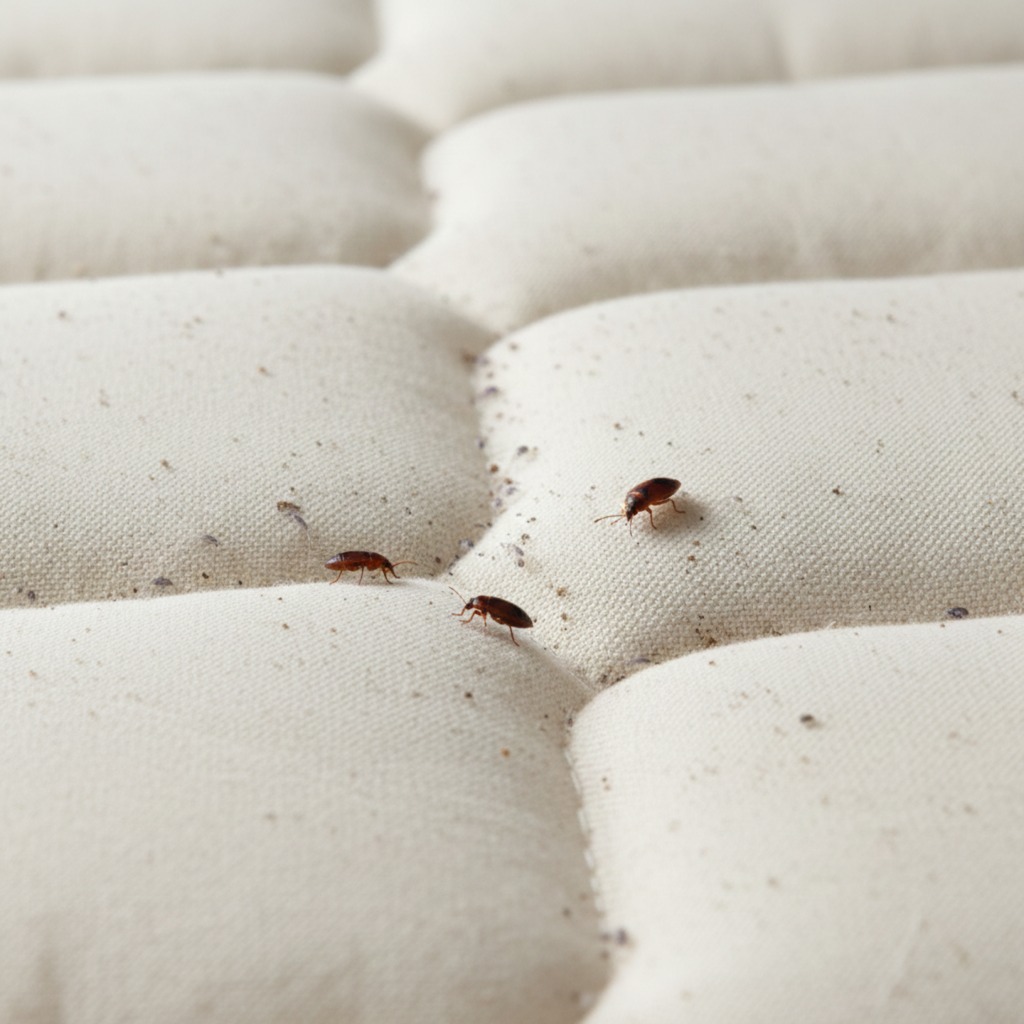
Even a minor dust mite infestation can affect sleep quality and trigger allergic reactions. While dust mites are often confused with bed bugs, they differ significantly. Bed bugs bite and leave visible marks, whereas dust mites feed on dead skin cells and trigger allergic responses. Understanding how to remove and prevent dust mites in your mattress is essential for a clean, healthy sleep environment.
What Are Dust Mites?
Dust mites are tiny arachnids, less than a millimeter long, that feed on dead skin cells shed by humans and pets. They thrive in warm, humid environments, making mattresses, bedding, carpets, and upholstered furniture ideal habitats.
Unlike bed bugs, dust mites do not bite or feed on blood. However, proteins in their waste and body fragments can cause allergic reactions, especially in sensitive individuals.
Key differences between dust mites and bed bugs:
| Feature | Dust Mites | Bed Bugs |
| Size | Microscopic | Visible to the naked eye |
| Bite Humans? | No | Yes |
| Feed On | Dead skin cells | Blood |
| Cause Allergies? | Yes | Sometimes |
| Visible Signs | Rare | Bite marks, blood stains |
Health Risks of Dust Mites
Dust mites may be tiny, but their health impact is significant:
- Allergies: Sneezing, nasal congestion, itchy eyes, and a runny nose are common reactions.
- Asthma Triggers: Exposure to dust mites can worsen asthma symptoms or trigger attacks.
- Skin Irritation: Dust mites can aggravate eczema and cause itching or rashes.
- Sleep Disturbance: Allergy symptoms often interrupt sleep, leaving you tired and uncomfortable.
Managing dust mites is particularly important for families in Chicago, where seasonal indoor heating can increase dust mite activity during winter.
How to Identify Dust Mites in Your Mattress
Dust mites are microscopic, so identification relies on indirect signs:
- Allergy Symptoms: Sneezing, itchy eyes, or congestion after sleeping.
- Dust Accumulation: Excess dust on bedding may indicate mites.
- Dust Mite Test Kits: Available online or in stores to detect allergens.
Tip: Don’t confuse dust mites with bed bugs. Bed bugs leave blood stains, bite marks, and a musty odor, whereas dust mites are invisible and cause allergic reactions. Correct identification ensures proper treatment.
Step-by-Step Guide to Remove Dust Mites from a Mattress
Effective dust mite removal combines cleaning, heat, and environmental control. Follow these steps:
1. Vacuum Thoroughly
- Use a vacuum cleaner with a HEPA filter to trap dust mites and their waste.
- Vacuum all surfaces, including seams, edges, and crevices.
- Avoid shaking the mattress, which can release mites into the air.
- Repeat weekly for best results.
2. Wash Bedding in Hot Water
- Wash sheets, pillowcases, and mattress covers in hot water (≥130°F) to kill dust mites.
- Dry bedding on high heat to eliminate remaining mites.
- Replace pillows every 1–2 years for better hygiene.
3. Use Allergen-Proof Mattress Covers
- Mattress and pillow encasements prevent dust mites from colonizing your bedding.
- Covers should be tightly woven and washable.
- Wash covers monthly to maintain effectiveness.
4. Sunlight Exposure
- Dust mites thrive in dark, humid environments, but direct sunlight kills them and reduces moisture.
- Flip and rotate your mattress to expose all sides to sunlight.
5. Steam Cleaning
- Steam cleaning kills dust mites with high temperature (130–140°F).
- Move the steam cleaner slowly across the mattress surface for full coverage.
- Allow the mattress to dry completely to prevent mold.
6. Non-Toxic Chemical Treatments
- Non-toxic sprays can reduce dust mite populations safely.
- Avoid harsh chemicals, especially near children and pets.
- Follow instructions carefully for maximum effectiveness.
7. Control Indoor Humidity
- Dust mites thrive in humidity above 50%.
- Use a dehumidifier or air conditioning in Chicago homes to maintain low humidity.
- Regularly ventilate rooms to reduce moisture buildup.
8. Maintain Clean Surroundings
- Dust surfaces, clean carpets, and reduce clutter around the bed to minimize dust accumulation.
- Regular cleaning reduces food sources for dust mites and discourages related pests like bed bugs.
Preventing Dust Mites Long-Term
Prevention is easier than removal. Long-term strategies include:
- Weekly Vacuuming: Keep mattresses and carpets free from dust.
- Frequent Bedding Wash: Wash sheets and pillowcases every 1–2 weeks.
- Mattress Rotation: Rotate every 3–6 months to prevent uneven wear and dust buildup.
- Humidity Control: Maintain indoor humidity below 50%.
- Declutter: Minimize items under the bed to prevent dust accumulation.
These habits also help reduce the risk of bed bugs, which can appear in neglected bedding.
FAQs About Dust Mites
- Are dust mites the same as bed bugs?
No. Dust mites are microscopic and trigger allergies, while bed bugs bite and leave visible marks. - Can dust mites bite?
No, dust mites do not bite humans. - How often should I clean my mattress?
Vacuum weekly, wash bedding every 1–2 weeks, and steam clean the mattress every few months. - Do mattress sprays work?
Yes, non-toxic sprays can reduce dust mites, but work best with regular cleaning and humidity control. - Can dust mites survive Chicago winters?
Yes, indoor heating provides warmth that allows dust mites to survive year-round. - What kills dust mites on a mattress?
Hot water washing, steam cleaning, sunlight exposure, and allergen-proof covers are most effective. Non-toxic sprays can also help. - How long do dust mites live in a mattress?
Dust mites live 2–3 months, but reproduce quickly, making regular cleaning essential. - Can you get mites out of a mattress?
Yes. Vacuuming, washing bedding, steam cleaning, and using allergen-proof covers significantly reduce or remove dust mites. - How do I test my bed for dust mites?
Use dust mite test kits or monitor allergy symptoms. Consult an allergist for professional testing.
Conclusion
Dust mites are common in mattresses and can trigger allergies, asthma, and skin irritation. Regular cleaning, mattress covers, sunlight exposure, steam cleaning, and humidity control can significantly reduce their population.
While dust mites differ from bed bugs, proper mattress care ensures both pests and allergens are minimized. Following these steps creates a healthier sleep environment, improves comfort, and keeps your mattress in top condition for years to come.